Understanding the Role of Blind Flanges in Pipe Fittings
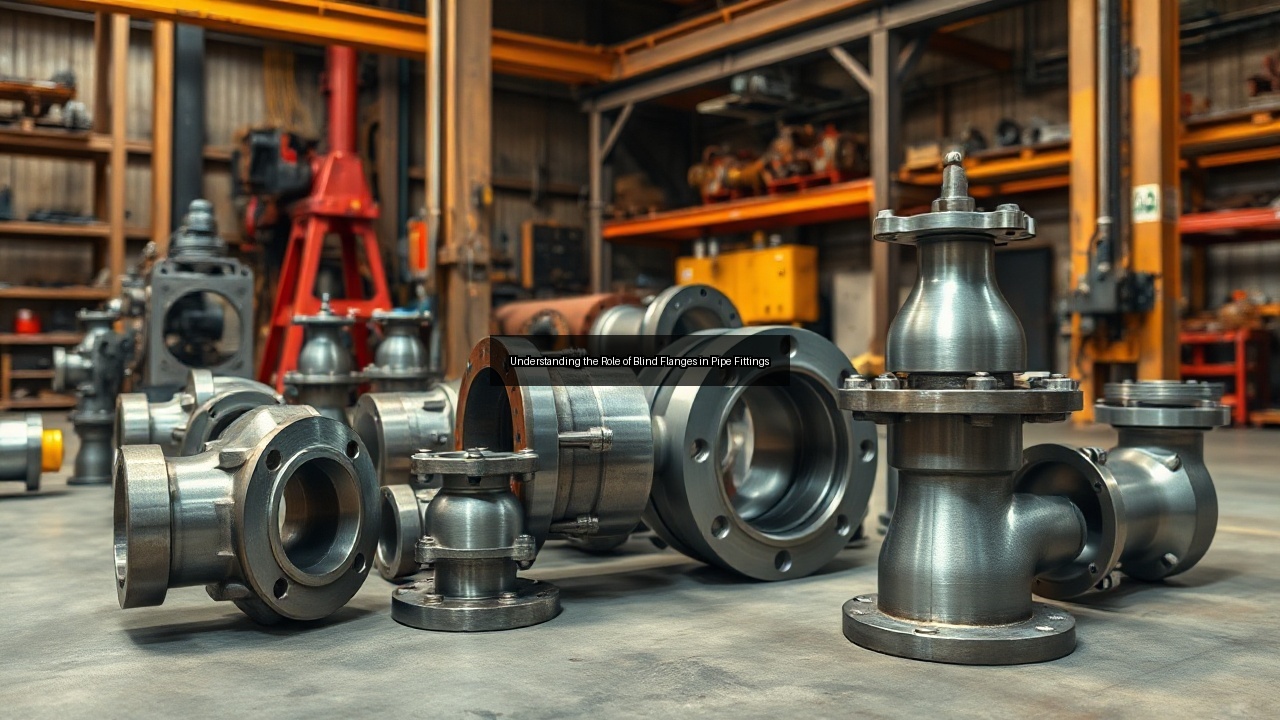
The Importance of Blind Flanges in Pipe Fittings
Understanding Blind Flanges
Blind flanges close the ends of pipes without any central opening, creating a solid barrier that stops flow completely. Engineers rely on these components when sections of pipe need isolation during maintenance or when future expansions remain uncertain. Workers bolt them directly to flanged ends using gaskets to form tight seals against pressure. The design supports high-stress environments because the solid plate distributes force evenly across the connection. In practice, operators select blind flanges to match the pressure ratings of existing pipe flanges and valves. This approach prevents leaks at termination points and maintains system integrity across long runs of steel pipes and tubes. Proper sizing ensures compatibility with fittings and expansion joints that handle thermal movement in the network.
Applications of Blind Flanges in Infrastructure
Blind flanges appear throughout water treatment plants, power stations, and municipal pipelines where sections require periodic shutdowns. Crews install them at branch terminations to allow safe inspection without draining entire systems. In bridge and tunnel projects, these flanges cap off temporary lines that later connect to permanent tubes. The components withstand vibration from nearby traffic and equipment because their robust construction resists deformation. Infrastructure teams also use blind flanges on bypass loops around valves so operators can service equipment while keeping flow active elsewhere. Their presence simplifies upgrades because crews remove the flange, add new pipe, and restore connections without major rework. This flexibility proves essential when cities expand networks or repair aging steel pipes under streets.
The Role of Blind Flanges in Oil and Gas Industry
Oil and gas facilities depend on blind flanges to isolate high-pressure lines during shutdowns and turnarounds. Technicians bolt them onto pipe ends near wellheads and processing units to contain hydrocarbons safely. The solid construction prevents accidental releases that could ignite or harm personnel. ASME standards guide material selection and bolt patterns so every blind flange meets the demands of sour service and extreme temperatures. In refineries, workers position these flanges upstream of valves to allow maintenance on pumps without halting production across the plant. Offshore platforms use corrosion-resistant versions on subsea tubes to protect against saltwater exposure. Their reliability reduces downtime costs and supports continuous operation of critical pipelines that transport crude and refined products across continents.
Types of Blind Flanges and Their Materials

Carbon Steel vs. Stainless Steel Blind Flanges
Carbon steel blind flanges offer strength and lower cost for standard applications where corrosion risk stays moderate. Fabricators weld or bolt them to carbon steel pipes in refineries and power plants because the material matches thermal expansion rates of surrounding components. Stainless steel versions resist rust and chemical attack in acidic or saline environments. Operators choose stainless grades for food processing lines and offshore platforms where hygiene and longevity matter most. Both types come in raised-face and flat-face designs to pair with different gasket styles. The decision between carbon steel and stainless steel hinges on operating temperature, pressure class, and expected service life. Proper material selection prevents premature failure and maintains pressure containment across the entire pipe system.
Flange Fittings: A Comparison of Types
Blind flanges differ from weld-neck, slip-on, and lap-joint flanges because they lack a bore and serve only as closures. Weld-neck flanges provide smooth flow transitions inside pipes while blind flanges terminate lines entirely. Slip-on flanges slide over tube ends for easier alignment but require more welding than raised-face blind options. Lap-joint flanges allow rotation during installation, yet they still need a matching blind flange to seal the end. Engineers compare pressure ratings and facing types before ordering to ensure every flange fitting aligns with valves and expansion joints downstream. The choice affects installation time and future maintenance access. Matching the correct flange type to the application improves overall system reliability and reduces leak points at every connection.
Gasket Compatibility with Blind Flanges
Gasket selection determines how well a blind flange seals against pipe pressure. Spiral-wound gaskets handle high temperatures and cyclic loading common in oil and gas lines. Flat ring gaskets suit lower-pressure water and air systems where soft materials conform easily to flange surfaces. Operators must match gasket thickness and material to the flange facing to avoid extrusion under load. Incompatible combinations cause leaks that compromise safety and require immediate shutdowns. Technicians also verify chemical compatibility because aggressive fluids degrade certain gasket compounds over time. Proper pairing extends service intervals and protects valves and pumps located further along the pipeline.
Key Considerations for Using Blind Flanges
Choosing the Right Blind Flange for Your Project
Project teams evaluate pressure class, temperature range, and corrosion allowances before ordering blind flanges. They cross-reference ASME B16.5 dimensions to guarantee bolt-hole alignment with existing pipe flanges. Material certificates confirm the steel grade matches specifications for sour service or high-pressure steam lines. Size also matters because oversized flanges add unnecessary weight while undersized versions risk rupture. Engineers review flow diagrams to locate every termination point where blind flanges will cap tubes or connect to future expansion joints. Early selection prevents delays during fabrication and ensures the components arrive with correct facing finishes for gasket seating.
Installation Techniques for Pipe Flanges
Installers align the blind flange squarely against the pipe flange before inserting bolts in a crisscross pattern. They apply torque in stages to seat the gasket evenly and avoid warping the plate. Workers clean flange faces thoroughly to remove debris that could create leak paths. When welding becomes necessary on carbon steel pipes, they follow qualified procedures to prevent distortion near the bolt circle. Proper alignment protects valves and fittings connected downstream from uneven stress. After bolting, crews perform low-pressure tests to confirm the seal holds before introducing full system pressure. These steps reduce the chance of rework and support long-term reliability of the entire piping network.
Common Issues: Leaks and Reliability
Leaks often develop when gaskets age or when bolts lose tension from thermal cycling. Corrosion under insulation can weaken blind flanges on outdoor steel pipes, leading to pinhole failures. Misaligned flanges create uneven gasket compression that allows fluid to escape at low pressures. Operators address these problems by scheduling torque checks and replacing gaskets during planned outages. Monitoring programs track vibration and temperature data around critical flanges to predict issues before they cause shutdowns. Addressing leaks promptly protects surrounding valves and expansion joints from secondary damage. Consistent attention to these details keeps pipe systems operating safely and efficiently across decades of service.
Maintenance and Inspection of Blind Flanges

Routine Checks for Blind Flanges
Maintenance crews inspect blind flanges during every turnaround by checking bolt torque and looking for signs of external corrosion. They examine the area around the gasket for residue that indicates seepage. Ultrasonic thickness readings confirm the plate has not thinned from internal erosion. Technicians also verify that adjacent valves operate smoothly because a leaking blind flange can affect pressure balance across the system. Documentation of each inspection helps track trends and schedule replacements before failures occur. Routine attention prevents small issues from escalating into major releases that threaten personnel and the environment.
Signs of Wear and Potential Failures
Visible rust streaks or flange face pitting signal that a blind flange may soon lose its sealing capability. Warped plates from over-torquing create gaps that gaskets cannot fill reliably. Cracks near bolt holes often appear after repeated pressure cycles in high-temperature lines. Operators replace flanges showing these symptoms to avoid sudden leaks that could damage downstream pipes and valves. Early detection through visual and ultrasonic inspections keeps systems running without unexpected interruptions. Tracking wear patterns also guides material upgrades for future replacements in aggressive service conditions.
Importance of Gasket Integrity in Sealing
Gasket integrity directly controls whether a blind flange maintains a leak-free seal under operating pressure. Compression set from age reduces the gasket's ability to rebound and fill surface irregularities. Chemical attack softens certain materials until they extrude between flange faces. Crews replace gaskets whenever they open a blind flange connection to restore full sealing performance. They also verify that new gaskets match the flange facing and operating fluid to prevent rapid degradation. Strong gasket performance supports overall system reliability and reduces the frequency of maintenance interventions on pipes, valves, and expansion joints throughout the facility.
See Also
- Maximizing Efficiency with Blind Flanges in Steel Pipe Systems
- Innovative Applications of Blind Flanges in Industrial Settings
- How Blind Flanges Enhance the Safety of Pipeline Systems
- The Versatility of Blind Flanges in Oil and Gas Applications
- Blind Flanges vs Standard Flanges Which is Right for Your Needs