How Wire Diameter Affects the Performance of Coil Springs
Understanding Coil Springs and Their Applications
What are Coil Springs?
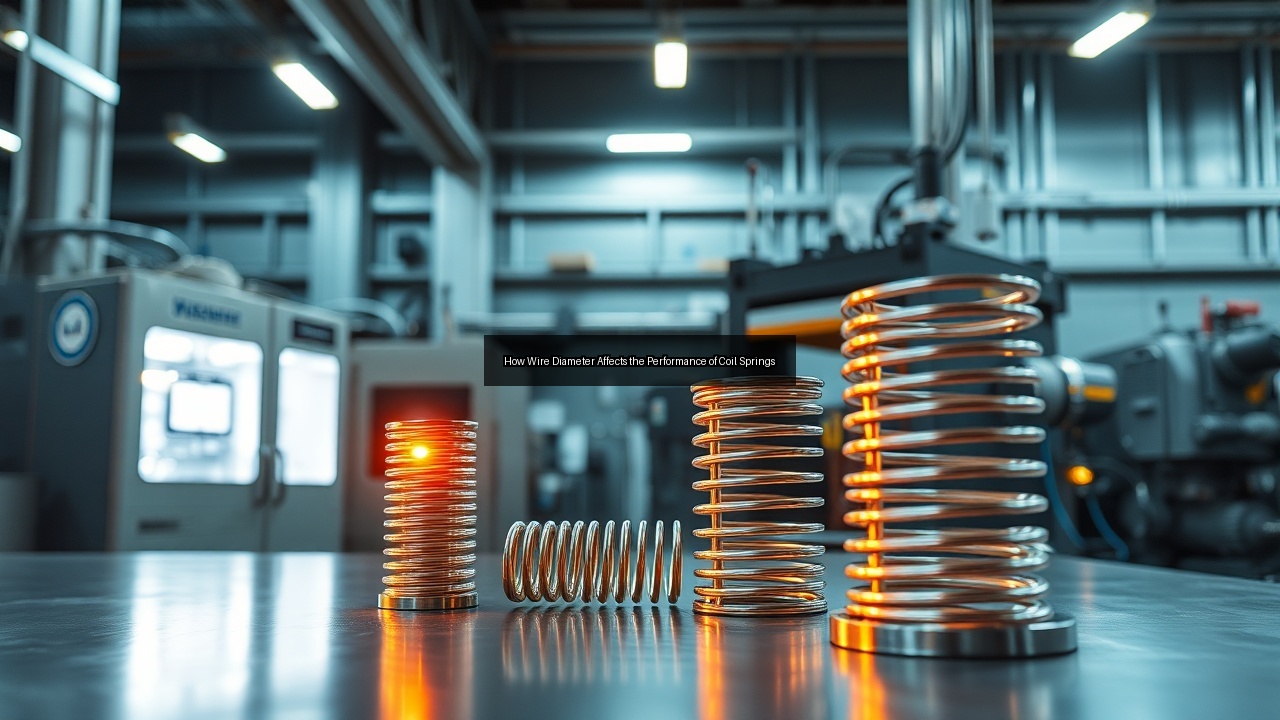
Coil springs are mechanical devices designed to store energy and absorb shock. They consist of coiled wires that can compress or extend under stress, providing resistance to forces. The design of coil springs allows them to return to their original shape after deformation, making them essential components in various applications. The core principle behind coil springs lies in Hooke's Law, which states that the force exerted by a spring is proportional to its displacement. This relationship highlights the importance of wire diameter, as it directly influences the spring's characteristics, such as stiffness and durability. Understanding these properties is crucial for designers and engineers who aim to optimize the performance of coil springs in their projects.
Common Uses of Coil Springs in Various Industries
Coil springs find widespread use across multiple industries due to their versatility and effectiveness. In automotive applications, they support vehicle suspension systems, ensuring a smooth ride by absorbing shocks from the road. In manufacturing, coil springs are employed in machines to facilitate various tasks, including threading and pressing. The aerospace industry relies heavily on coil springs for critical applications, such as landing gear systems and fuel control valves, where reliability and performance are paramount. Additionally, household appliances like washing machines and refrigerators utilize coil springs to enhance functionality. Their ability to handle varying loads and resist fatigue makes coil springs indispensable across these diverse sectors.
The Role of Coil Springs in Aerospace Engineering
Aerospace engineering demands precision and reliability, making coil springs integral components in aircraft design and manufacture. These springs are crucial in landing gear systems, providing the necessary shock absorption during takeoff and landing. They also play a vital role in control systems, where they maintain tension in cables and linkages that operate flaps and ailerons. The aerospace sector often utilizes high-strength materials like stainless steel for coil springs, ensuring they withstand extreme conditions. Engineers must consider wire diameter and tolerances carefully to optimize performance and safety. The unique requirements of aerospace applications necessitate rigorous testing and prototyping to ensure that coil springs perform reliably under varying pressures and forces.
The Impact of Wire Diameter on Coil Spring Performance
How Diameter Affects Spring Constant and Load Capacity
Wire diameter significantly impacts a coil spring's spring constant, which measures the spring's stiffness. A thicker wire increases the spring constant, resulting in a stiffer spring that can handle higher loads without excessive deformation. Conversely, a thinner wire reduces the spring constant, allowing for more flexibility but limiting load capacity. This relationship is crucial for engineers who must align spring performance with specific application requirements. For instance, in automotive suspension systems, thicker wires provide the necessary support for heavier vehicles, while lighter vehicles benefit from thinner wires that offer a more comfortable ride. Understanding these dynamics enables designers to select the appropriate wire diameter for optimal performance and longevity. Additionally, tolerances play a critical role, as even slight variations in wire diameter can lead to significant differences in performance.
Comparative Analysis: Thick vs. Thin Wire in Spring Performance
A comparative analysis of thick versus thin wire in coil springs reveals essential insights into their performance characteristics. Thick wire springs exhibit increased durability and load capacity, making them suitable for high-stress applications. These springs can withstand greater forces without risk of permanent deformation, ideal for heavy machinery or automotive uses. However, their increased stiffness can lead to a harsher ride in vehicles, reducing comfort. On the other hand, thin wire springs offer enhanced flexibility, providing a softer response to loads. This flexibility benefits applications requiring precision and subtlety, such as in delicate electronic devices or lightweight machinery. Ultimately, the choice between thick and thin wire hinges on the specific demands of the application, necessitating careful engineering consideration and prototyping to ensure optimal performance.
Tolerances and Their Importance in Wire Diameter Selection
Tolerances play a vital role in wire diameter selection for coil springs, directly affecting their performance and reliability. Precise tolerances ensure that the wire maintains consistent properties throughout its length, which is critical for achieving predictable spring behavior. Variations in wire diameter can lead to discrepancies in spring constant wire forming capabilities and load capacity, potentially compromising performance in critical applications. Engineers must carefully consider the manufacturing processes used in wire forming, as methods such as extrusion and CNC machining can result in variations that affect tolerances. Selecting a reputable brand known for stringent quality controls can mitigate these risks, ensuring that the wire used in coil springs meets the necessary specifications. By prioritizing tolerances, engineers can enhance the reliability and longevity of coil springs in their designs.
Wire Forming Techniques and Capabilities
Overview of Wire Forming Processes
Wire forming processes encompass a range of techniques used to shape and manipulate wire into desired configurations for various applications. These processes include bending, coiling, and twisting, allowing manufacturers to create complex shapes suitable for coil springs and other components. The choice of wire forming method depends on factors such as wire material, diameter, and the specific requirements of the end product. Advanced machinery facilitates these processes, enabling precise control over wire shaping. Techniques such as CNC machining offer enhanced accuracy and repeatability, making them ideal for high-volume production. Understanding the capabilities of different wire forming processes allows engineers to select the most appropriate method for their designs, ensuring optimal performance and efficiency.
The Role of Computer Numerical Control (CNC) in Wire Forming
Computer Numerical Control (CNC) technology revolutionizes wire forming by providing unparalleled precision and automation. CNC machines can accurately control the movement and manipulation of wires, allowing for intricate designs that would be challenging to achieve manually. This technology streamlines the wire forming process, reducing production time and minimizing human error. CNC machining enhances the ability to meet tight tolerances, ensuring that the wire diameter remains consistent throughout the length of the coil spring or other formed wire shapes. Additionally, CNC allows for quick adjustments and modifications to designs, facilitating rapid prototyping and iterations. The integration of CNC technology in wire forming significantly improves production efficiency and the overall quality of the final products.
Material Choices: Stainless Steel vs. Other Alloys
Choosing the right material for coil springs plays a crucial role in determining their performance and longevity. Stainless steel is a popular choice due to its corrosion resistance, strength, and durability. It withstands harsh environments, making it suitable for applications ranging from automotive to aerospace. Other alloys, such as music wire or oil-tempered steel, also have their advantages, often providing superior fatigue resistance and tensile strength. The selection of material often depends on the specific requirements of the application, including load capacity, environmental conditions, and budget constraints. Engineers must weigh these factors carefully to ensure that the chosen material, combined with the appropriate wire diameter, yields optimal performance in the final coil spring design.
Prototyping and Engineering Considerations in Spring Design
The Importance of Accurate Drawings in Spring Manufacturing
Accurate drawings are essential in the manufacturing process of coil springs, serving as the blueprint for production. Engineers must create detailed schematics that specify wire diameter, coil dimensions, and tolerances. These drawings guide the wire forming process, ensuring that each spring meets the required specifications for performance and safety. Inaccurate drawings can lead to significant issues, including misalignment and improper load distribution, which can compromise the spring's functionality. Utilizing advanced design software can enhance the accuracy and efficiency of creating these drawings, allowing for precise calculations and simulations. Engineers must prioritize the integrity of their designs to facilitate smooth manufacturing and optimal performance in the final product.
Testing Wire Shapes and Performance in Real-World Applications
Testing wire shapes and performance in real-world applications is crucial for validating the effectiveness of coil spring designs. Engineers conduct rigorous testing to assess how well a spring performs under various loads and conditions. This process involves subjecting springs to stress tests, fatigue tests, and environmental simulations to determine their durability and reliability. Collecting data during these tests allows engineers to identify potential weaknesses and make wire forming capabilities necessary adjustments to wire diameter, material choice, or design elements. Prototyping plays a significant role here, as it enables rapid iterations and refinements based on real-world feedback. Ultimately, thorough testing ensures that coil springs perform reliably in their intended applications, meeting both safety and performance standards.
Brand Considerations for Quality Wire Forming Services
Selecting a reputable brand for wire forming services is essential for ensuring high-quality coil springs and other formed wire products. Established brands often have a track record of excellence, utilizing advanced technology and skilled professionals to deliver precision-engineered components. When evaluating potential suppliers, engineers should consider factors such as manufacturing capabilities, material options, and customer reviews. Brands that prioritize quality control and adhere to industry standards can provide the consistency and reliability required for critical applications. Additionally, collaborating with a trusted brand can facilitate smoother communication and project management throughout the design and manufacturing process. Ultimately, investing time in selecting the right wire forming service pays off in the form of superior performance and longevity in the final products.